
What to know, wear and bring
Being prepared helps you stay comfortable, safe, and focused on learning.
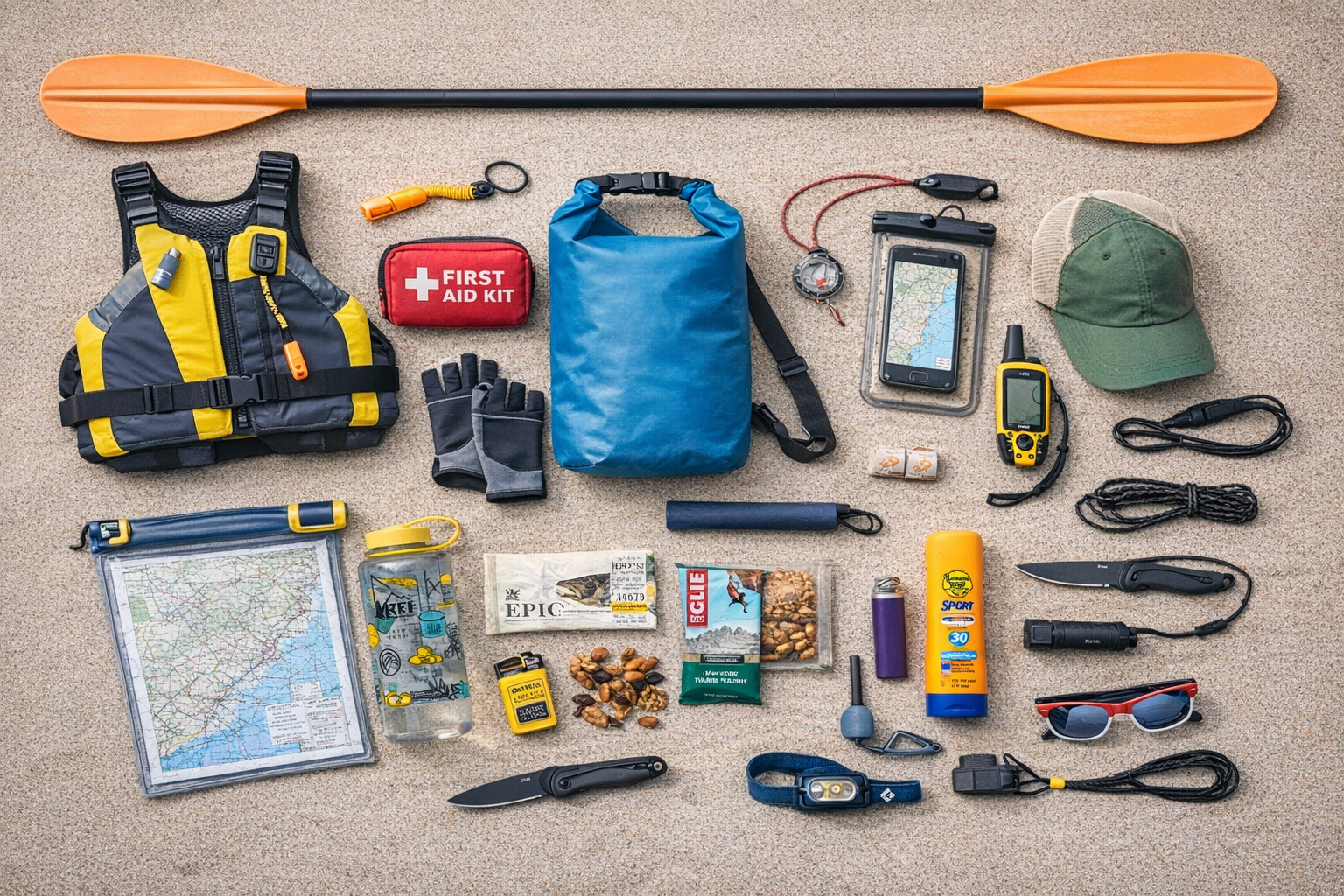
Have an upcoming class or trip with The Kayak Foundation?
Whether you’re joining a summer class, a family paddle, or a more advanced cold-weather session, the right clothing and preparation make a meaningful difference on the water. Below is information to help you arrive prepared for a safe and enjoyable experience.
All paddlers must sign a waiver before participating in any kayak or stand-up paddleboard class, trip, or session.
What to bring
Paddling equipment provided includes: kayaks, paddles, and personal flotation devices — unless otherwise noted.
Water bottle (hydration is essential)
Sunscreen (reef-safe recommended)
Weather-appropriate layers
Small towel
Dry bag (optional but helpful)
Snacks for longer sessions
Phones and handheld devices: If you have a waterproof pouch for your phone or device, great. If not, we recommend that you leave it in a secure place before heading out on the water.
We recommend bringing a dry set of clothes to change into after your class or paddle session
Warm weather
Summer and warmer weather paddling is generally comfortable, but conditions on the water can change quickly. Dress for sun, splash, and movement.
Recommended Clothing
Quick-dry tops and bottoms (synthetic or wool blends)
Lightweight long sleeves for sun protection
Secure water shoes or sandals that stay on your feet
Hat with a brim or visor
Sunglasses with a retention strap
Swimsuit (as a base layer)
Light wind layer (optional, weather dependent)
What Not to Wear
Cotton clothing (holds water and chills the body)
Flip-flops or loose footwear
Heavy denim or bulky fabrics
Jewelry that could snag or be lost
Cooler and cold weather
Cooler and cold-weather paddling requires additional planning. Even on mild days, water temperatures can be cold and increase risk if you get wet. Paddling in these conditions is typically limited to experienced paddlers and advanced sessions, with additional safety considerations and instructor guidance.
Cold-Weather Best Practice
Dress for water temperature, not just air temperature
Layer clothing to allow adjustment during activity
Use insulating, non-cotton layers
Wear wind-blocking outer layers
Bring dry layers for after paddling
Cold-Weather Clothing May Include
Wetsuit or drysuit (program dependent)
Thermal base layers (synthetic or wool)
Neoprene booties, gloves, and hat
Splash jacket or paddling jacket
Frequently Asked Questions
-
Our programs take place rain or shine, but strong winds, lightning, unsafe water conditions, or water quality concerns may result in cancellation or limited activity.
Programs may also be cancelled if rainfall reaches 1 inch or more within the previous 24 hours, which can affect water quality.
If a program is affected, we will keep participants updated as far in advance as possible. If The Kayak Foundation cancels a program for any reason, participants will receive a full refund.
-
We provide your kayak or stand-up paddleboard, paddle, and life vest — everything you need for a safe and enjoyable on-water experience. Any additional gear requirements will be noted in the class or trip details.
Participants are responsible for bringing their own food, water, gear, and other essential supplies.
-
All paddlers are required to wear a life vest while on the water — no exceptions — and must follow the directions of instructors and staff at all times.
Participants must be able to hear and understand instructions, communicate with instructors and staff, enter, exit, and sit in a kayak without assistance, hold and use a paddle, hold their breath underwater, and keep their head above water while wearing a life vest.
-
For general questions, you can reach us anytime at info@kayakfoundation.org.
We try to respond quickly, but please allow up to one to two business days.After you register for a specific class, your instructor will share the best way to reach them, usually by email and often by phone. In most cases, you can expect a response the same day or by the next day.
-
All participants must sign a waiver before going out in a kayak or on a stand-up paddleboard. The waiver can be completed online through the Universal Waiver.
-
Assessments are for paddlers who already have the required experience and want a formal evaluation.
Skills course: Learn and practice new paddling skills.
Skills assessment: Have your current skills evaluated against an ACA standard. This is not the same as a class.
Instructor certification: Training and evaluation for paddlers who want to teach ACA courses.
Endorsement: Endorsement: Additional specialty training for instructors who are already ACA certified. Examples may include teaching rolling, trip leading, adaptive paddling, or other specialized skills not covered in standard instructor certification.
Not sure which one is right for you?
Please contact us before registering. -
You — and anything you bring on the water — should be expected to get wet.
Please dress accordingly and avoid bringing items that cannot get wet, including unprotected phones, hearing aids, other electronics, loose jewelry, or anything you would not want exposed or lost to the water.
If you need to bring essential items, protect them in a secure dry bag or waterproof case.
Classes & experiences
-
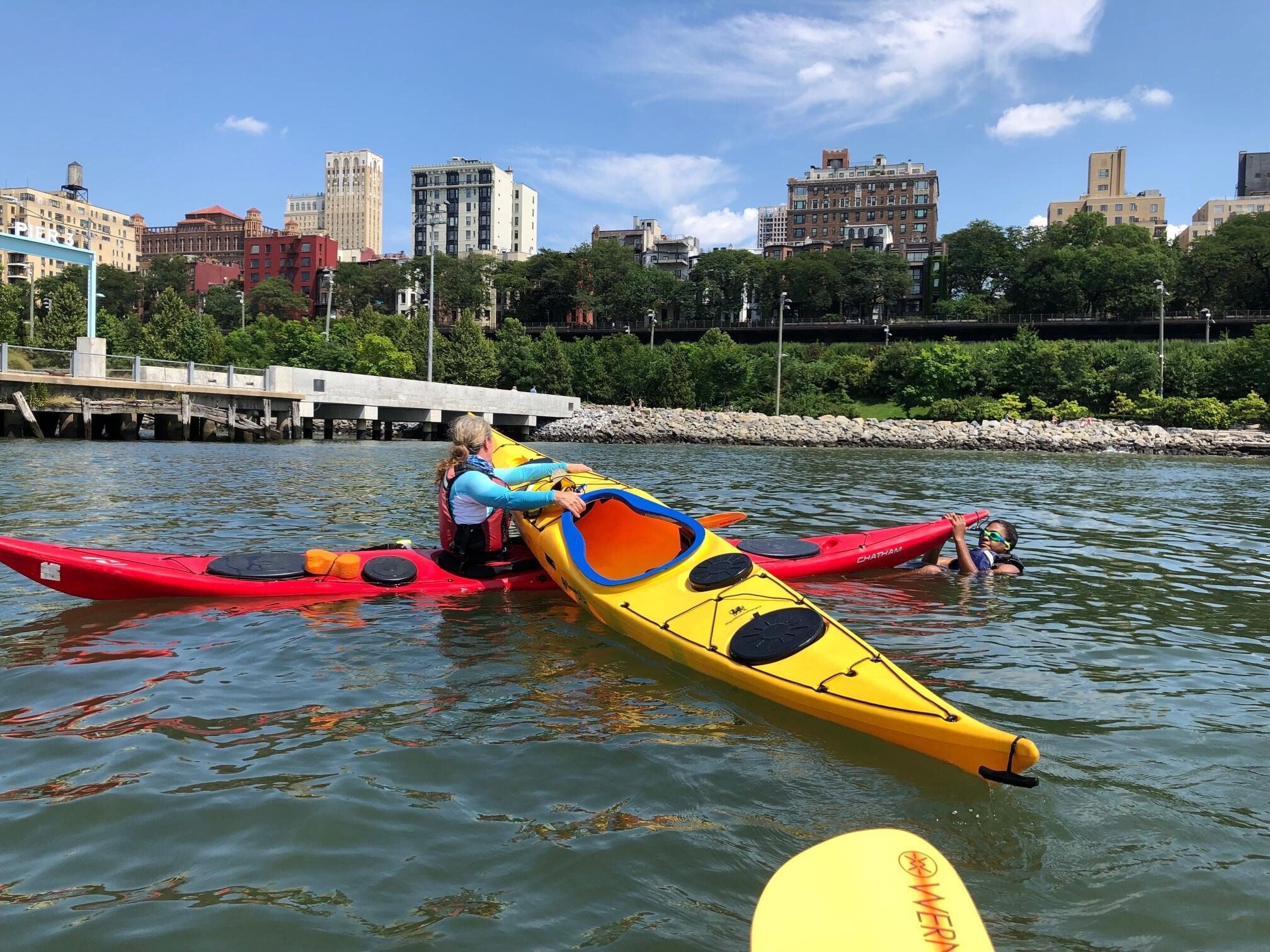
Kayaking classes
Classes, sessions & workshops. Foundational to intermediate instruction for all paddlers. Gear provided, taught by certified instructors.
-
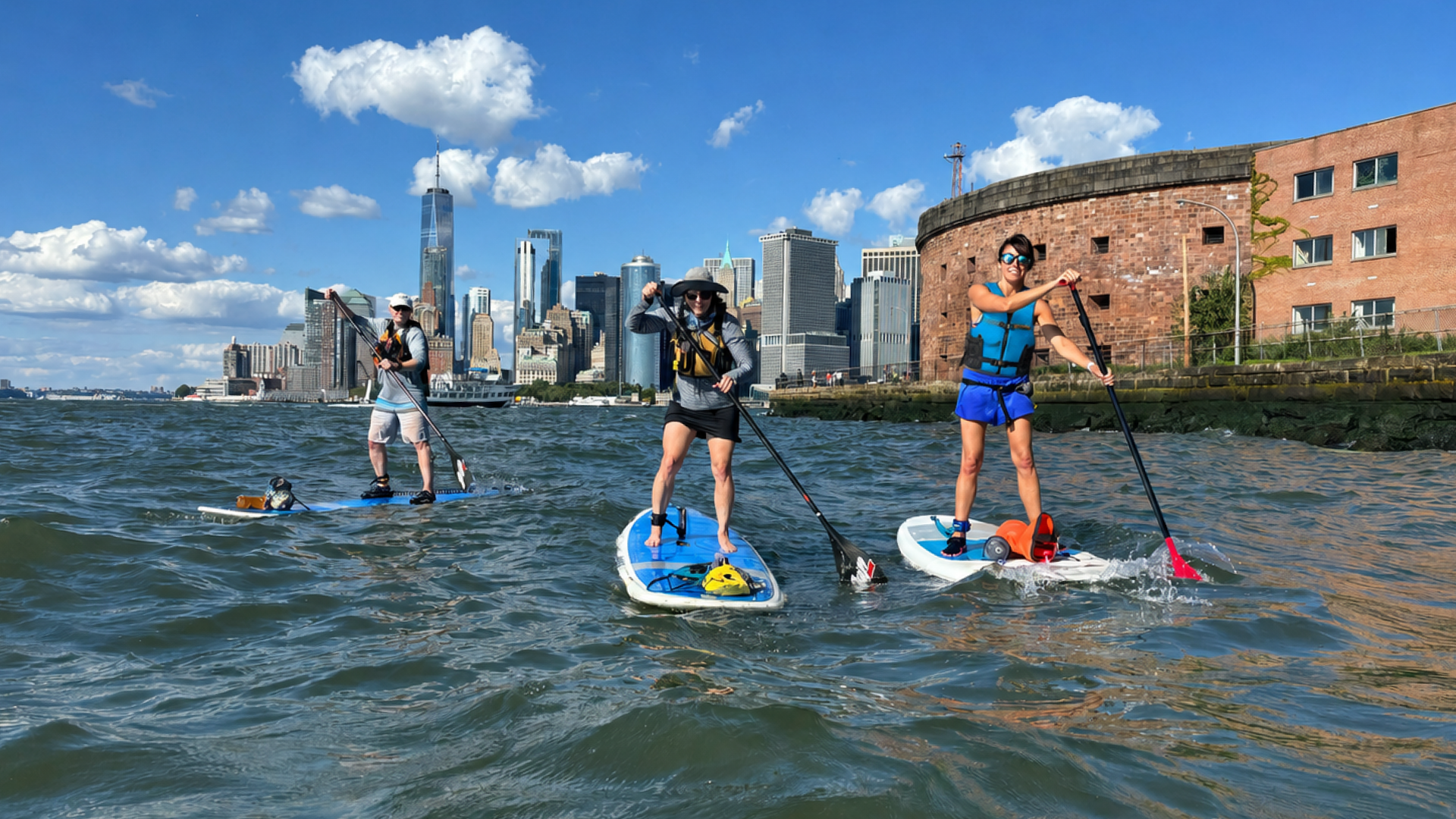
Stand up paddling
Beginner-friendly to advanced SUP sessions and experiences that build balance, paddle technique, and confidence on the water.
-
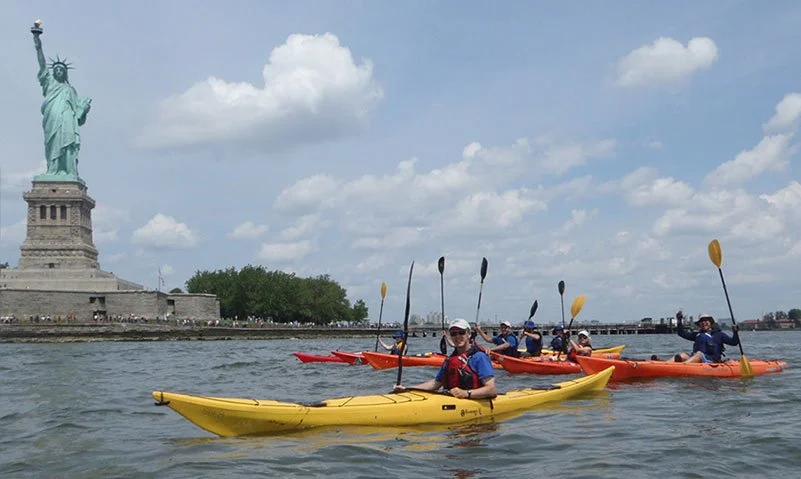
Trips & Experiences
Small-group guided kayak trips, and paddling experiences. Designed for private groups; friends, family, teams, and organizations